Order the Second Pot of Tea: In Praise of the Unhurried Hilltop Lunch
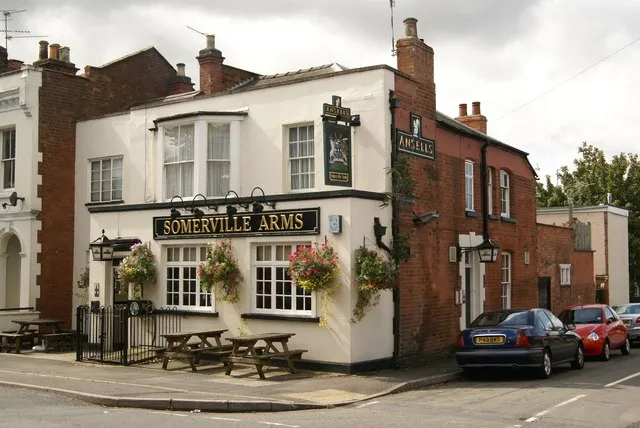
There is a moment, somewhere between the first sip of a well-earned pint and the arrival of a plate you did not realise you were craving, when a good lunch stops being a meal and becomes an afternoon. At Mow Cop Inn, that moment tends to arrive early and stay late. The hill is outside, the fire is inside, and nobody seems in a particular hurry to send you back down either.
This is not a review of a menu, nor a strict itinerary for the perfect midday meal. It is an argument—a gentle one, made from the comfort of a settle—for the long lunch. Not the boozy, blurry marathon of legend, but the civilised sort: a table booked without a hard stop, a second pot of tea, a pudding you did not plan on. The sort of afternoon that leaves you wondering why you ever agreed to be anywhere else.
The timetable is the first thing to leave at the door
Most lunches are shaped by what comes next. The car park ticket. The afternoon meeting. The school pickup. The train. At Mow Cop Inn, the hill has a way of making all that feel like a rumour from another county. You can see for miles on a clear day, and somehow the view makes the clock seem smaller.
That is the first thing to embrace: arrive without a schedule. Book a table, yes—the inn is a popular spot, and a little forward planning is only polite—but leave the rest of the day vague. If you are walking up from the village, so much the better. The climb earns the first drink. If you have driven, choose the lighter option and let the tea do the work later. Responsible lingering is still lingering.
Build a lunch backwards
A long lunch is not simply a normal lunch with longer pauses. It is built differently. Start with what you want the afternoon to feel like, then work backwards. If the goal is warmth and conversation, begin with something to share—a bowl of something hot, a plate of proper chips, a bit of crusty bread—and let the table fill up gradually. If the goal is a full stretch of eating, take your time over a starter and refuse to treat the main course as a deadline.
The beauty of a hilltop inn is that the room does half the hosting. There is the fire to watch, the low beams to admire, the quiet theatre of other people enjoying themselves. You do not need to entertain your table every minute. A long lunch gives you permission to say less, chew more and notice the small things: the clink of glasses, the smell of a roast, the way the light changes over the Cheshire and Staffordshire border as the afternoon rolls on.
The fire does half the work
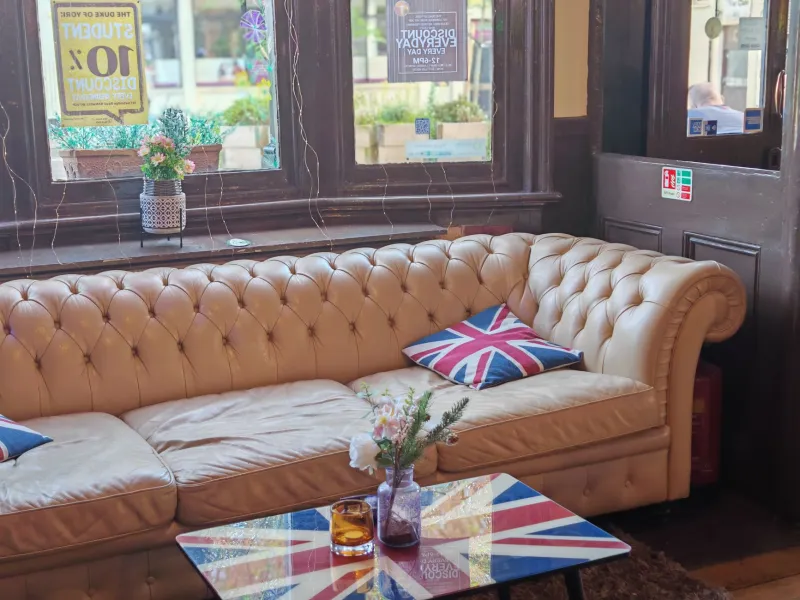
On a grey November day, there is no finer accomplice to a long lunch than a fire. It draws people in. It slows the conversation. It makes a second cup of coffee seem not merely reasonable but practically necessary. At Mow Cop Inn, the cosy rooms are not a backdrop to the food; they are part of the reason the food tastes better. A pie eaten in a hurry is fuel. A pie eaten by the fire, with a proper pint and nowhere else to be, is an event.
This is the time of year when the hill has a particular character—brisk air, low light, the occasional dramatic sky—and coming in from it feels like a small victory. The long lunch is the reward. You do not need a special occasion. The occasion is that you have decided to stop rushing.
A pudding is not a delay
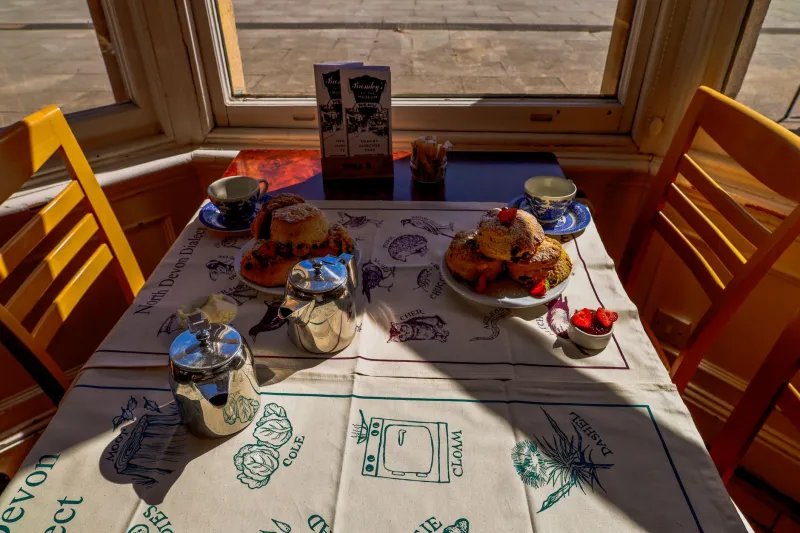
There is a strange British instinct to treat pudding as an indulgence that must be justified. It is not. On a long lunch, pudding is the punctuation mark. It is the difference between a meal that ends and an afternoon that lingers. Order the sticky thing. Order the crumble. Order the pudding you saw go past and immediately regretted not choosing. Then order a second pot of tea and argue mildly about whether it was the right decision.
This is not gluttony; it is pacing. The long lunch works because it has texture: savoury, sweet, hot, cold, quiet, lively. A pudding gives the table a reason to stay put for another twenty minutes. Those twenty minutes are often the best ones.
When the hill does the talking
Eventually, the food is finished and the plates are cleared. This is where many lunches end. The long lunch does not. It moves into its final phase: the bit where nobody reaches for a coat. Someone mentions the view. Someone else remembers a walk they once did from the top. The conversation drifts, as it should.
Mow Cop has a way of putting things in perspective. It is a hill with history, a landmark that has seen more than its share of comings and goings. Sitting in the inn below it, you are part of a long tradition of people pausing on the way up or down. The long lunch is simply a more civilised version of that pause.
The bill, eventually
All afternoons have to end, even the best ones. The trick is not to pretend otherwise. Pay the bill when you are ready, not when the clock tells you to. Leave a decent tip. Step outside, take a lungful of hill air, and decide whether you have room for a short wander before the light goes. If not, there is always next time.
The long lunch is not about doing nothing. It is about doing one thing properly. At Mow Cop Inn, that thing is lunch—and the afternoon it quietly becomes. Book the table, leave the rest of the day blank, and see how much better a meal can feel when nobody is counting the minutes.