From Foggy Fields to a Warm Kitchen: The People Feeding Mow Cop Inn This Autumn
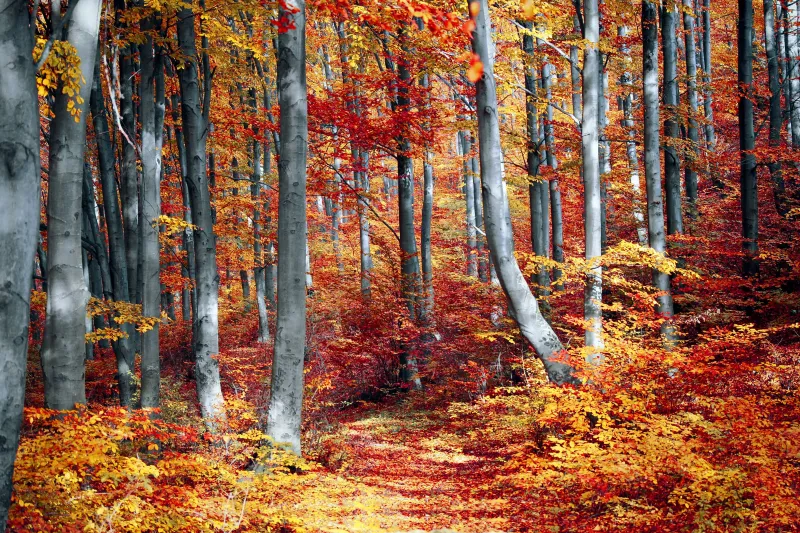
Photo: autumn vegetables local farm produce cosy UK pub kitchen seasonal menu, via images.pexels.com
On a foggy November morning, the view from Mow Cop Inn can disappear altogether. The hill becomes a soft grey outline, the lanes below vanish and the pub sits in its own small cloud. Inside, the kitchen is already warm. There are crates of squash by the door, a tray of beetroot on the prep bench and a delivery of bread that still smells of the oven. The autumn and winter 2026 menu is taking shape, and most of it has travelled only a handful of miles to get here.
That is not an accident. It is a series of practical choices made over months, with the weather, the seasons and the realities of running a hilltop pub all in the mix. Local sourcing is not a badge we pin to the menu. It is a way of working that keeps the food honest, the kitchen flexible and the pub connected to the place around it.
A shorter journey from field to plate
The first rule is simple: use what is good now. In autumn, that means roots, leaves, squash and apples. By winter, it means stored vegetables, slower braises, cheese and puddings that make sense after a walk. The menu is not written in stone in September and left alone until spring. It changes as the produce changes, and the specials board does a lot of the quiet work.
That flexibility matters. A small grower cannot promise exactly the same amount of cavolo nero every week. A dairy may have more cream than cheese one month. A baker may have a run on bread when the weather turns. The kitchen plans around what is available rather than demanding that the fields behave like a supermarket. It means fewer guarantees and better food.
The grower: roots, leaves and a bit of mud
Ruth and Tom run a small market garden near Brown Edge. Their plot is not vast, but it is varied: squash, leeks, cavolo nero, beetroot, herbs and whatever else survives the slugs and the slope. They deliver to the pub in crates that still carry a bit of field grit, which is exactly what you want from vegetables.
Their squash has been a mainstay of the 2026 autumn menu. It arrives in shades of orange and green, gets roasted until the edges catch, and turns up in a soup with sage and toasted seeds. The beetroot is roasted, peeled and paired with a local cheese and walnuts. The cavolo nero is stripped, blanched and finished with butter, or folded through a warm salad when the kitchen wants something greener than a pile of roots.
'We do not grow everything the pub needs,' Ruth says. 'Nobody does. But we grow the things that taste best when they are picked and eaten close to home.' That is the trade: the kitchen gets produce at its best, and the grower gets a reliable outlet for small gluts and less-than-perfect shapes. The menu does not mind a crooked carrot.
The butcher and the pie
Alan is a family butcher in Kidsgrove. He supplies the beef that goes into the pub's slow-braised pie, the sausages that appear at weekend breakfasts and the cuts that make a Sunday roast worth the climb. The relationship is not new. It is built on knowing what the kitchen wants and what the animal can give.
The beef and ale pie is the obvious example. It is not a decorative pie with a tower of pastry and a thimble of filling. It is a proper pub pie: deep, dark and generous, with meat that has had time to soften and a gravy that holds together. The buttered greens on the side come from the market garden when they can, and from other local growers when they cannot. In winter, the pie sits alongside a slow-cooked lamb or a mushroom and leek gratin, depending on what the week has brought in.
Alan also supplies the sausages that turn up in the occasional special. They are not there every week. That is part of the point. The menu is a conversation between the kitchen and its suppliers, not a printed list that ignores the weather.
The baker, the crumble and the cheese board
Priya runs a small bakery in Stoke. She supplies the bread that goes on the tables and the oatcakes that appear with the cheese board. Her apple and blackberry crumble is a fixture of the autumn menu, served with custard from a dairy near Congleton. It is the sort of pudding that makes sense after a walk on the hill: sharp fruit, a crumbly top, and enough custard to be unapologetic.
The cheese board is another short-journey affair. A local blue, a soft cheese and a hard cheese, with chutney, oatcakes and a few apples. It is not a grand tour of British cheese. It is a small plate of things made nearby, chosen because they taste good together and because the people who make them are part of the same local web as the pub.
What this means on the menu
The 2026 autumn and winter menu is full of these small connections. Roast squash and sage soup with toasted seeds. Beetroot, local cheese and walnut salad. Slow-braised beef and ale pie with buttered greens. Wild mushroom and leek gratin. Apple and blackberry crumble with custard. A cheese board that changes with what is ready. The bar does its part too, with local ales and ciders that sit comfortably beside the food.
None of this is designed to be fashionable. It is designed to be eaten in a warm room after a cold walk, with a pint on the table and the fog pressing against the windows. The menu is cosy, but it is not careless. Behind every dish is a decision about distance, season and what the kitchen can do well.
The practical side of local sourcing
Local sourcing is not automatically cheaper or easier. Small deliveries cost more per item. The weather can wipe out a crop. A supplier may have a good week and then a quiet one. The kitchen has to be adaptable, and the menu has to leave room for the specials board. It also has to be honest with customers when something runs out.
But the trade-offs are worth it. Short journeys mean fresher produce. Direct relationships mean the kitchen knows what is coming and can plan around it. And the money stays closer to home, with growers, bakers and butchers who are part of the same community as the pub. That matters on a hill where the nearest supermarket is a drive away and the nearest neighbour might be a field.
As the fog settles over Mow Cop this autumn, the kitchen will keep working with what the season gives it. Crates will arrive. Pies will come out of the oven. The crumble will run out before the quiz night is over. And the menu will keep changing, quietly, in step with the fields below the hill.