Four Legs, One Hill: A Dog Owner's Guide to a Day Out at Mow Cop Inn
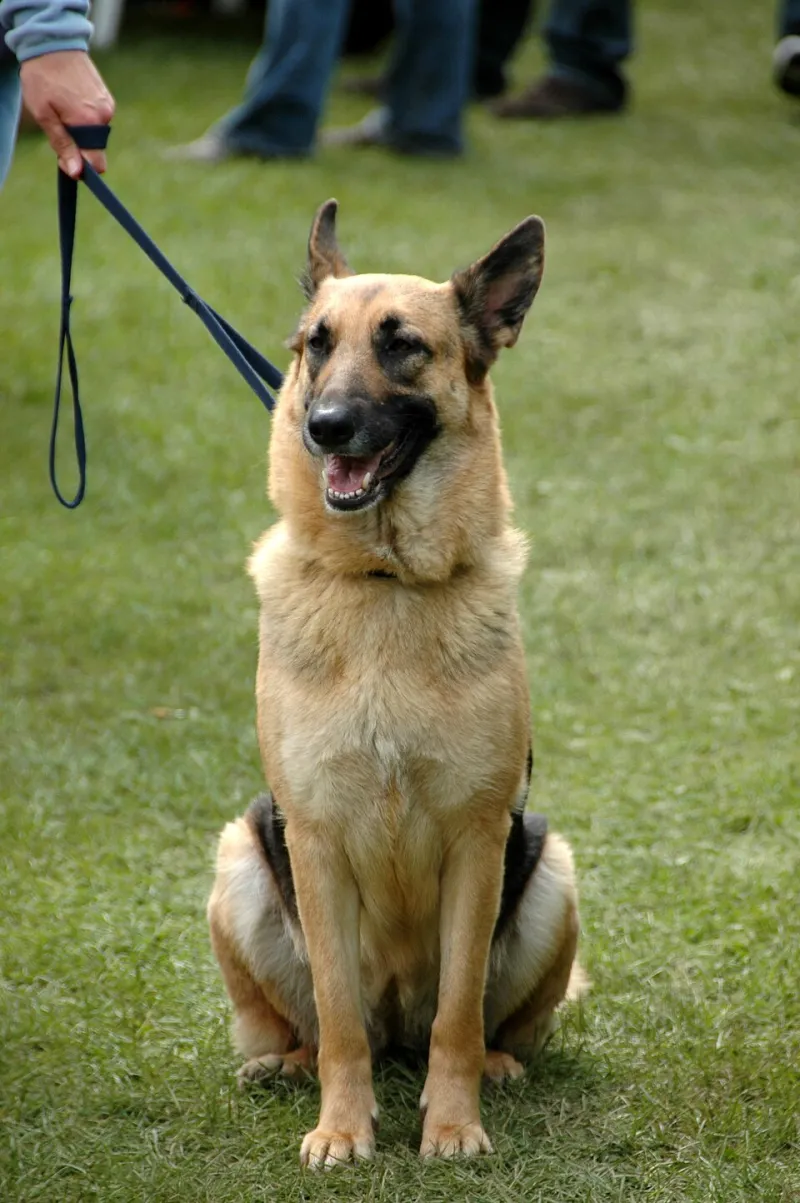
Photo: Tim Dobbelaere from Ieper, Belgium, CC BY-SA 2.0, via Wikimedia Commons
Mow Cop is a hill, which means any day out here involves legs — yours and, if you are sensible, your dog's. The good news is that the inn sits right in the middle of some properly good walking, and that a wet dog is not a problem here so much as a normal Tuesday. Below is everything we would tell a friend before they set off, from lead rules on the common to where the water bowls live.
Before you leave the house
Three things are worth packing: a lead, a towel, and water for the climb. The hill is steeper than it looks from the road, and the gritstone gets greasy after rain — the sort of surface that is fine for a sure-footed collie and less fine for an enthusiastic spaniel at full tilt.
Livestock matters more than anything else. Sheep graze the common land around the summit and the folly for much of the year, and where there are sheep there are rules: leads on around stock, no exceptions, even for the most reliable dog in Cheshire. Gates get closed behind you. Bags come home if there is no bin.
Arriving at the inn
Dogs are welcome inside, and the flagstone floors were made for the job. Water bowls are kept topped up and topped up again on busy days; there are usually a few biscuits behind the bar for well-behaved customers, though it is always worth asking rather than assuming. There is a towel behind the bar for the truly committed mud enthusiast.
A couple of house habits keep things easy for everyone. Dogs stay off the settles and chairs, and are kept out of the tightest corners where food is going out. If your dog is nervous of other dogs, say so at the bar — there is usually a quieter spot that can be found, particularly in the snug if it happens to be free.
Three routes for three energy levels
The summit loop — short and sharp. Up to the folly at Mow Cop Castle and back down, roughly forty minutes at a stroll. The reward is one of the widest views in the county and a dog that will sleep through the evening. Expect a real pull on the calves and a proper stretch for the dog's back legs.
The old railway line — flat and forgiving. The Biddulph Valley Way follows a former branch line on a gentle, well-surfaced gradient with plenty of shade. It is the pick for older dogs, short-legged companions, or anyone nursing a knee. Easy to shorten if the weather turns.
The long way round — for the serious lot. Link the hill to the canal and the lanes below for a half-day outing of two to three hours. Good boots advised, and a decent recall is useful on the wider field paths.
Etiquette on the hill
The hill is shared ground, and it works because everyone gives a little. Keep to the main paths where the ground is fragile, especially after wet spells. Pick up after your dog every time — the common is grazed, and there is nothing more annoying to a farmer than a careless visitor. And if a gate is shut when you reach it, shut it again behind you.
Refuelling, dog included
A day on the hill earns a proper plate of something. Pies come out well here, the roasts on a Sunday are the obvious finish to a morning walk, and chips have a way of finding their way to the floor, which your dog has already worked out. Water is free and freely given. Do not feed your dog at the table, however persuasive the eyes.
If your dog is not a pub dog
Not every dog wants to lie under a table while strangers clatter about. If yours would rather be elsewhere, sit close to the door, keep the visit short, and take the drink outside. There is no shame in it — a ten-minute stop is still a good stop.
The short version
Lead on around livestock. Towel in the car. Water before the climb, water after. Ask at the bar if you need anything, and let your dog dry off by the fire before you head home. That is the whole system, and it has been working on this hill for a very long time.