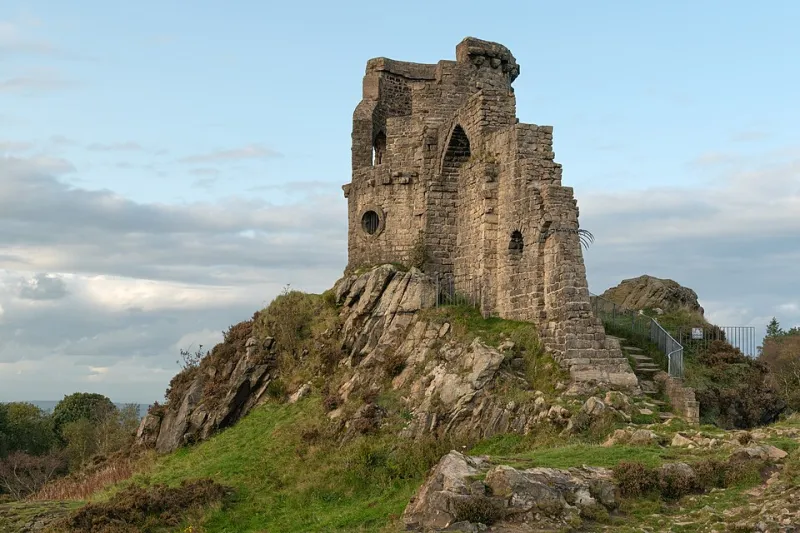
Chairs of Consequence: The Quiet Histories Stacked Around Mow Cop Inn
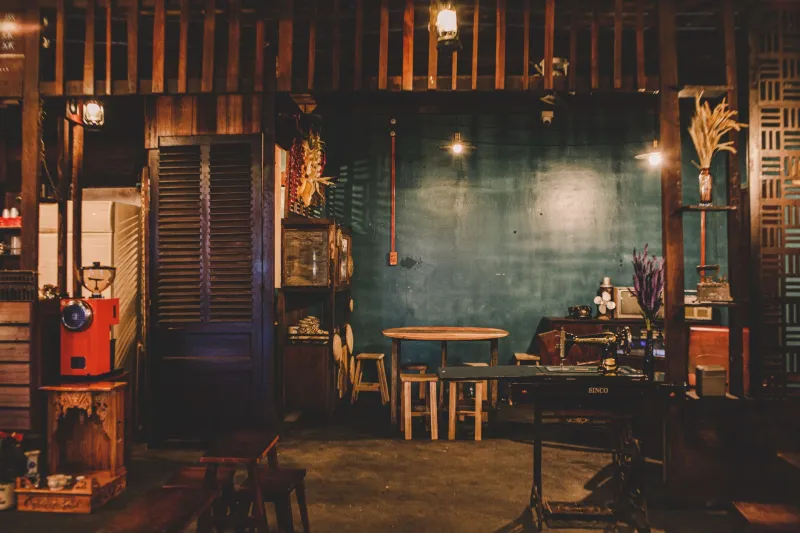
Walk into Mow Cop Inn on a blustery afternoon and the first thing you notice is not the fire, though it helps, nor the smell of something slow and savoury from the kitchen, though that helps too. It is the chairs. No two are alike. Some are tall, some are low, one has arms wide enough to hold a folded coat and a pint without argument. None of them match. All of them belong.
That is not an accident, and it is not laziness. The furniture at Mow Cop Inn has arrived over decades in the way that most good pub furniture does: borrowed from a neighbour, rescued from a closed room, repaired by someone who knew what they were doing, and then sat on until it became part of the place. A matching showroom set might look tidier in a photograph. It would not feel like this.
The Chair That Came Down from the Chapel
Take the high-backed chair near the hatch. It is dark wood, a little severe, with a seat that has been re-covered at least twice. It came from a chapel sale in the village, bought for a few pounds when the building was being cleared. For years it was known simply as “the chapel chair”, which is not a very imaginative name but is accurate enough. Then a regular started calling it “the pew”, and that stuck.
It is not the most comfortable seat in the inn. Nobody claims it is. But it has a way of making the person sitting in it look as though they have something important to say, which is useful in a pub. It has heard more committee meetings, more birthday conversations, more quiet apologies than most furniture in the building. If it could speak, it would probably ask for a cushion and a bit of polish. Instead, it gets a brass plaque underneath and a steady rotation of bottoms.
Brass Plates and Honest Repairs
The long table by the window is another survivor. At some point in its life, a leg split near the joint. A local joiner repaired it with two brass plates, visible if you crouch down and look. He could have hidden them. He chose not to. The repair is part of the table now, a small piece of practical history that says: this was worth fixing.
That attitude runs through the whole place. A wobbly chair is not thrown out; it is levelled with a bit of folded card and given another year. A settle with a worn arm gets a strip of leather nailed over the worst of it. The result is furniture that looks lived in rather than staged. Visitors sometimes ask whether the mismatched look is deliberate. The honest answer is that it is a happy accident of keeping things that still work.
The Settle by the Fire
The settle closest to the fire came from a farmhouse on the edge of the hill. It is heavy, awkward to move and not especially elegant. It is also the most fought-over seat in the building on a cold day. Two people can sit on it without touching, three if they are friendly. It has a high back that keeps the draught off and a slight dip in the middle that suggests generations of people doing exactly what you are about to do.
Regulars do not formally reserve it. They do not need to. There is an understanding that the settle is for anyone who gets there first, and that anyone who gets there first should not look too smug about it. That is the closest the inn gets to a seating policy.
Claiming a Corner
Ask a handful of regulars where they like to sit and you will get a handful of different answers, delivered with the seriousness of people who have thought about it. The window chair is good for watching the weather come in. The corner table is best for a quiet pint and a newspaper. The chair by the hatch is for people who like to feel part of the conversation without having to lead it. The settle is for anyone who wants to be warm and left alone, unless they happen to be sitting next to someone who wants to be warm and talkative.
none of these seats are labelled. They do not need to be. The furniture has been arranged and rearranged so many times that it has settled into a kind of informal geography. New visitors find a seat. Regulars find their seat. After a while, the two become the same thing.
Why Matching Sets Miss the Point
There is nothing wrong with new furniture. Pubs need chairs that do not collapse and tables that do not rock. But a hilltop inn is not a showroom. It is a place that has accumulated things: a chair from a chapel, a table from a farmhouse, a settle from a neighbour who was moving and did not want it to go to a skip. Each piece carries a small amount of local history, and together they make a room that feels less like a design scheme and more like a home.
That is why the mismatched look suits Mow Cop Inn. The hill itself is not tidy. The weather is not tidy. The view is not tidy. A room full of identical chairs would feel like a denial of all that. A room full of odd chairs feels like an acceptance of it.
So next time you visit, look under the table. You might see a brass plate, a repaired leg, a name scratched into the wood by someone who has long since moved away. Then sit down, order something warm, and add your own chapter. The chair will hold it for you.