Custard at the Summit: The Quiet Case for Pudding at Mow Cop Inn
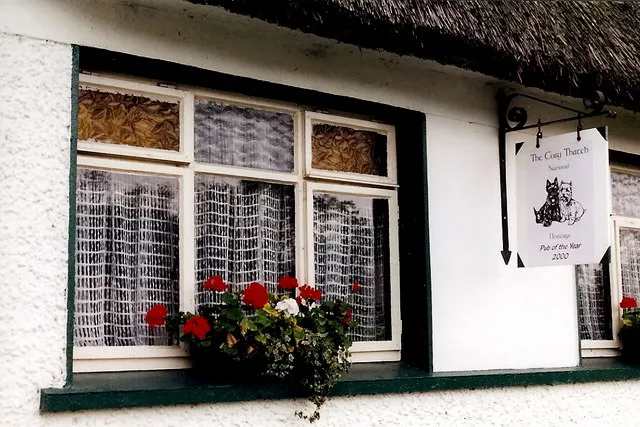
Photo: Joseph Mischyshyn, CC BY-SA 2.0, via Wikimedia Commons
There is a moment near the end of a good pub meal when the table goes quiet in a particular way. Plates have been cleared, the last of the gravy has been dealt with, and someone says, half to themselves, “I could probably manage a pudding.” At Mow Cop Inn, that is not a weakness. It is the correct instinct.
Pudding is the part of the meal that asks you to sit back down. It is the reason the chair stays warm a little longer, the reason the pot of tea gets a second brewing, the reason a hilltop lunch turns into an afternoon. On a clear day you can look out over the borderland and feel quite justified in ordering custard. On a wet one, you can feel even more justified.
The soft landing after the climb
Mow Cop is not a flat place. People arrive here on foot, on bikes, with dogs, with grandchildren, with a healthy appetite earned somewhere between the canal and the ridge. A pudding needs to understand that. It should not be a delicate little thing that leaves you rummaging in the biscuit tin an hour later. It should be proper, generous and served with enough custard to make a case for itself.
That is the thinking behind the sweet end of the menu. The kitchen is not trying to reinvent the last course. It is trying to finish the meal in the same spirit as the rest of it: honest, warm and built for people who have been out in the weather.
Custard is not a garnish
Let us start with custard, because in a pub kitchen it is often the difference between a pudding and a plate of something sweet. Proper custard should be loose enough to pour and thick enough to coat the back of a spoon. It should taste of vanilla, milk and patience. It should not arrive in a mean little jug that leaves you rationing it across the table like wartime supplies.
At Mow Cop Inn, custard belongs with the crumbles, the sponges and anything that has come out of the oven with a bit of a crust on it. It is also the great equaliser. A treacle sponge, a fruit crumble, a baked apple — they all make sense with a decent pour of the yellow stuff. And if there is a second jug within reach, nobody is going to complain.
Crumble follows the season
A crumble is a useful thing for a hilltop kitchen because it can change without losing its character. In late autumn and winter, it might lean towards apple, pear, blackberry or a mixture that tastes of cold walks and early dark. In summer, there is more room for softer fruit and a lighter crumb. The principle stays the same: fruit with a bit of sharpness, a topping with real texture, and enough heat to make the custard feel like part of the plan.
This is not a menu that needs to announce itself with foam or edible flowers. A crumble is a crumble. But a good one, made in decent quantity and served without fuss, is exactly the sort of pudding that suits a pub where people come in with muddy boots and leave with a full stomach.
The make-ahead classics that keep the kitchen calm
Busy nights on the hill need puddings that can be prepared with a bit of foresight. Rice pudding, bread-and-butter pudding, sticky toffee pudding and a good set posset are all useful allies behind the scenes. They can be made in batches, held with care and sent out without turning the kitchen into a scene from a farce.
That matters on a Friday when the tables fill quickly, on a Sunday when the roast orders come in thick and fast, or on a night when a coach party has decided to make an afternoon of it. A make-ahead pudding is not a shortcut in the negative sense. It is simply good planning. It means the sweet course can still feel generous and unhurried even when the kitchen is working at full tilt.
What to drink with the last course
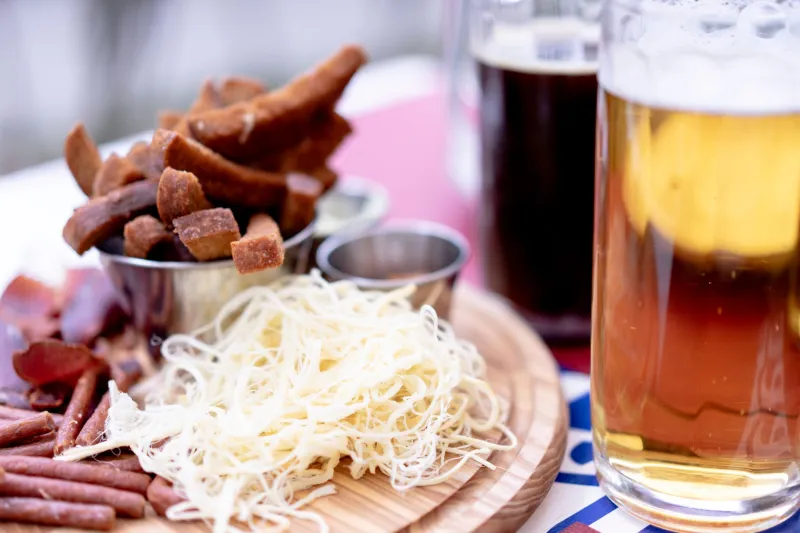
There is no single right answer, which is part of the pleasure. A final half-pint of dark mild or a smooth stout can sit very happily beside treacle, toffee or chocolate. Something lighter and sharper — a fruit beer, perhaps, or just a glass of water with a bit of ice — can cut through a richer pudding nicely. And then there is tea: strong, hot and in a proper pot. A pot of tea and a slice of something warm is one of the great pub endings, especially when the fire is on and the windows have gone misty.
If you are the sort of table that orders one pudding and four spoons, that is fine too. In fact, it is encouraged. Pudding is a communal business. It is better when it is passed around, argued over and finished off.
A welcome that lasts to the last spoonful
A pub meal does not end when the plates are cleared. It ends when the table decides it has had enough. A generous pudding helps that decision along. It says that the welcome here is not just for the first course, or the main event, or the pint at the bar. It carries through to the last spoonful of custard and the final sip of tea.
So when you next climb the hill, settle in, and the pudding question comes around, take it seriously. The walk can wait a little longer. The view is not going anywhere. And there is always room for custard at the summit.